
April is Stress Awareness Month. While stress is a normal part of life, learning how to manage it effectively can help prevent long-term health challenges. The CDC recommends these strategies to care for both your mind and body:
- Take breaks from social media
- Make time to unwind, and try activities like meditation or journaling
- Practice gratitude and stay connected with others
- Prioritize your physical health by getting enough sleep, moving your body (aim for 2.5 hours per week), and eating a balanced diet
- Limit alcohol, avoid drugs, smoking, and vaping
- Stay up to date with regular checkups, screenings, and vaccinations
The Manet team is here to help keep your body and mind healthy. If you’re a Manet patient, talk to your provider. You can also call or request an appointment through the Patient Portal. If you’re not yet a patient, we’re here for you, and we welcome new patients.
Remember, small steps can make a big difference in managing stress and supporting your overall well-being.
Looking for a Quick Way to Reduce Anxiety? Try a Power Pose!
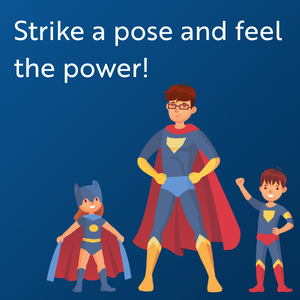
If you are feeling anxious about an upcoming conversation, meeting, or activity or wanting to help your child through an anxious moment, try this quick tip from our Behavioral Health team:
Find a pose that makes you feel confident. Think about how a superhero stands! Take up space, stand tall, and hold your head high.
Manet’s Licensed Independent Clinical Social Worker, Susan Francis, suggests holding your “power pose” for two minutes in front of a mirror before leaving the house, while repeating an affirmation like, “I can do this.” It might feel a little silly at first, but research shows this simple technique can help reduce anxiety and boost confidence.
The Manet Behavioral Health team can help you dive into what’s causing your stress and provide resources to manage it. Talk to your Manet Provider today to get connected!
Tips to Prevent Stress Eating
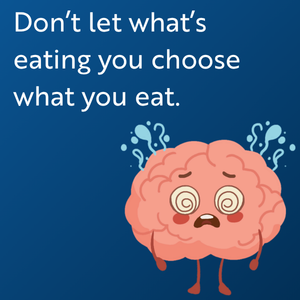
Stress can influence our eating habits in many ways, and stress eating is a common challenge that many people experience. You might notice it as sudden hunger after a difficult moment, reaching for food without thinking, craving something very specific, or feeling unsatisfied even after eating.
Here are a few tips from Manet dietitians to help you better manage stress eating:
- To determine if you’re really hungry or feeling stressed ask yourself “what does my body really need?”
- Eat balanced meals with whole grains, starchy vegetables and lean protein to help stabilize blood sugar and prevent energy crashes
- Plan out your meals and snacks in advance to prevent binge eating
If stress eating is happening regularly, you don’t have to navigate it alone. A Manet dietitian can work with you to find practical, personalized strategies to support both your nutrition and overall well-being. Talk to your Manet provider about meeting with our Nutrition team today!